Creative Job Without Degree 2025 Guide - Start Your Career at RedSketch Academy
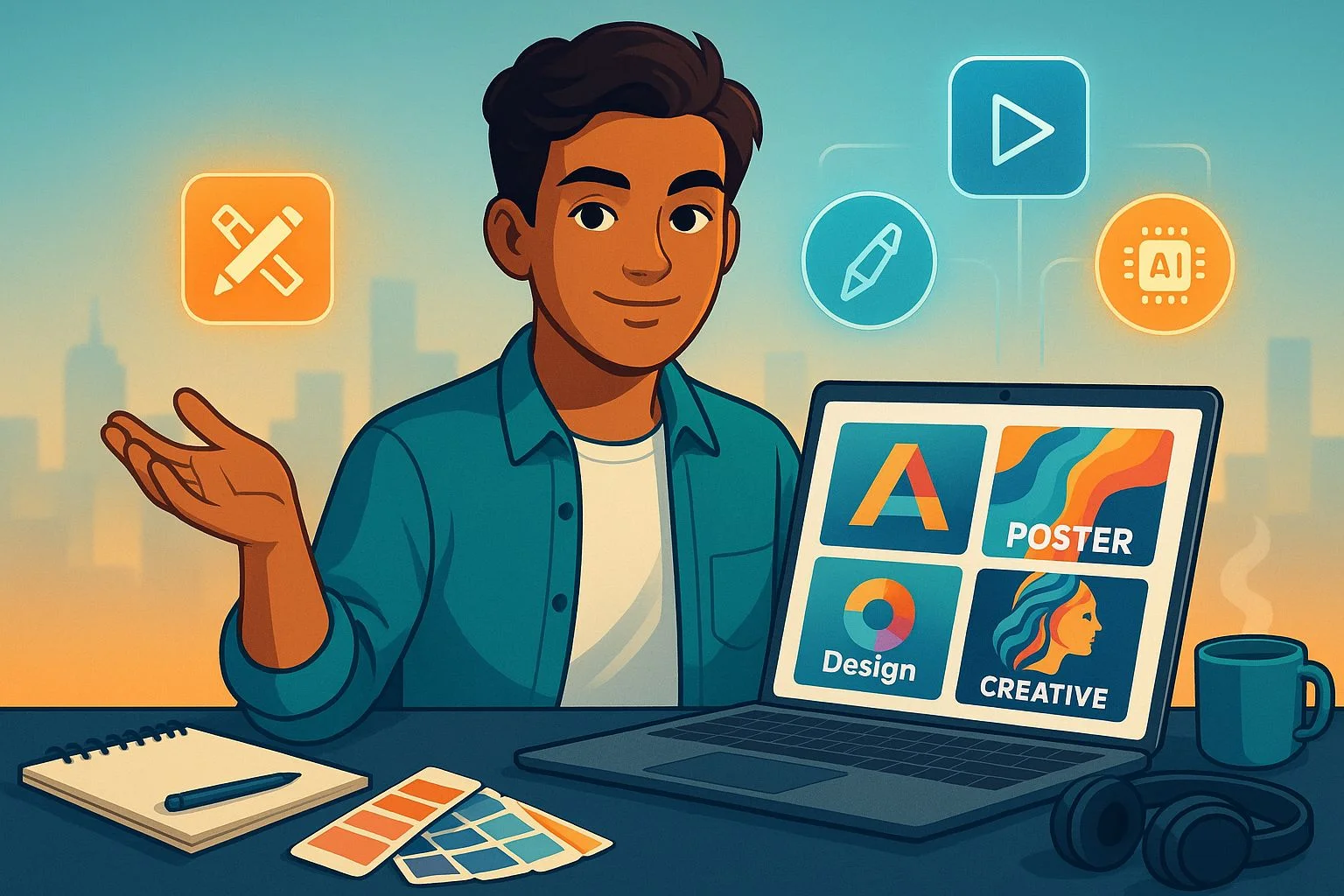
The creative industry has always been fueled by talent, vision, and innovation rather than certificates hanging on a wall. In 2025, this is truer than ever. Companies, agencies, and startups no longer just ask, "What degree do you hold?" — instead, they ask, "What can you create?"
Whether you dream of becoming a graphic designer, video editor, animator, or digital marketer, your path to success doesn't have to follow traditional education. With the right skills, portfolio, and connections, you can land your first creative job without a degree — and thrive in a career built on passion.
This article breaks down the step-by-step roadmap you can follow to kickstart your career, even if your resume doesn't list a formal qualification.
Focus on Skills, Not Degrees
In the creative industry, skills are currency. Employers want proof that you can deliver results, not just that you studied theory.
Core Skills You Should Build:
Photoshop, Illustrator, Figma, Canva
Premiere Pro, DaVinci Resolve, After Effects
2D/Whiteboard Animation, Motion Graphics
Social Media Creatives, Campaign Design
Pick a niche first (e.g., Graphic Design + Social Media Content) and go deep. Once confident, expand into complementary skills.
Create a Portfolio That Speaks Louder Than a Resume
A portfolio is your new degree. It demonstrates your capabilities in real-world projects.
What to Include in Your Portfolio:
Personal Projects
Design your own poster, app interface, or brand identity
Spec Work
Create sample ads for brands you admire
Redesign Challenges
Take an existing logo, ad, or UI and improve it
Course Projects
Include your best assignments from training programs
Make your portfolio digital (Behance, Dribbble, or a personal website). Employers should access it with a single link.
Build a Strong Online Presence
In 2025, your online profile often gets noticed before your resume.
Share your work, engage with creative professionals, write short posts about design or editing.
Instagram/Behance/Dribbble
Showcase your best designs, reels, and animations.
YouTube/TikTok
Create "How I made this design" or editing breakdowns — this builds authority.
Employers often Google your name. Make sure they find creativity, not just empty profiles.
Learn Through Short-Term Courses and Bootcamps
Skipping a degree doesn't mean skipping learning. Instead of 3-year programs, invest in skill-based courses that focus on hands-on training.
RedSketch Academy Programs:
Digital Graphic Design Course
5 months • Portfolio-focused
Professional Video Editing
6 months • Industry tools
Next-Gen Graphic Design Mastery
AI Edge • Future-ready
MarketX: Hybrid Marketing
With AI • Complete skillset
These are industry-ready programs that teach practical tools and portfolio-building — ensuring you're job-ready in months, not years.
Start Freelancing to Gain Experience
Employers love experience — but you don't need a full-time job to get it. Start small with freelancing.
Where to Begin:
Upwork & Fiverr
Entry-level projects to build client experience
Freelancer.com
Bid for small creative gigs
Local Businesses
Design menus, posters, or social posts for small shops
Social Media Groups
Many startups look for affordable design/editing help
After 5–10 small projects, you'll have enough samples and testimonials to impress recruiters.
Network Like Your Career Depends on It (Because It Does)
Networking is the hidden engine of creative careers. Many jobs never get advertised — they're filled through referrals.
Ways to Build Connections:
Don't just ask for jobs. Build genuine relationships, share your work, and opportunities will follow.
Create Your Own Opportunities
If no one is hiring you yet, show initiative:
Employers love self-starters — they're proof you don't need handholding.
Highlight Transferable Skills
Even if you don't have a degree, you may have other valuable skills:
Communication
Pitching design ideas
Teamwork
Collaborating on projects
Problem-solving
Creative solutions to challenges
Frame your story in terms of results and creativity, not academic achievements.
Prepare for Interviews Differently
Without a degree, you'll likely be asked: "Why should we hire you over someone who has one?"
Here's how to answer:
Emphasize your portfolio
"My work shows what I can deliver."
Highlight real projects
"I've already created logos/social media campaigns/videos for X clients."
Showcase adaptability
"I'm constantly learning new tools like AI-based design and motion graphics."
Employers value confidence backed by results.
Keep Evolving (Because Creativity Never Stops)
The industry changes fast. AI tools, new platforms, and design trends emerge every year. Stay updated through:
Lifelong learners will always stay ahead of degree-holders who stopped learning after graduation.
Frequently Asked Questions
Can I really get a design job without a degree?
Yes. Many top designers and editors are self-taught. What matters is your skills and portfolio.
What is more important: portfolio or resume?
Portfolio wins every time in creative fields. Resume matters less if your portfolio shines.
How long does it take to become job-ready?
With consistent practice and the right course, 5–12 months is enough to land your first role.
Should I work for free at first?
It's okay to do 1–2 free projects for portfolio building, but move quickly into paid gigs. Value your skills.
Conclusion
Landing your first creative job without a degree is absolutely possible in 2025. Employers no longer care about academic labels; they care about what you can create. By mastering industry tools, building a killer portfolio, freelancing, networking, and showing initiative, you can prove your worth in the marketplace.
At RedSketch Academy, we specialize in helping students without formal degrees become job-ready creative professionals. With hands-on training, live projects, personal branding modules, and career-focused courses, we make sure your portfolio speaks louder than any degree ever could.
Turn Your Passion Into a Career
Ready to land your first creative job? Join RedSketch's flagship programs in Graphic Design, Video Editing, Animation, and Marketing with AI — and start your career faster than you ever imagined.
Related Articles & Resources
Beginner Portfolio Guide
Essential guide for creating your first professional portfolio to land creative jobs without formal education.
Read Article →Creative Careers 2030 Skills Demand
Future-proof your creative career by understanding which skills will be in highest demand by 2030.
Read Article →Creative Personal Branding
Build a strong personal brand to stand out in the creative industry and attract opportunities without a degree.
Read Article →NextGen Graphic Design Program
Start your creative career with comprehensive training, portfolio development, and industry mentorship.
Explore Course →MarketX Hybrid Program
Combine creative skills with marketing expertise for diverse career opportunities in the creative industry.
Explore Course →Freelance Clients Graphic Designer
Learn how to find and retain clients as a freelance designer, perfect for starting without formal credentials.
Read Article →